

Microfiber sheets are becoming increasingly popular because they are soft, durable, and affordable. The combination of cost savings, practicality, and guest satisfaction makes microfiber sheets an attractive option for many hotels looking to balance quality and budget. But to keep them in top condition, you need to know how to properly wash, dry, and maintain them.
Table of Contents
Key Takeaways:
- Microfiber sheets are quick-drying, durable, and resistant to wrinkles, making them perfect for hotel use.
- Dry microfiber sheets on low heat, and avoid over-drying to preserve fabric integrity.
- Follow proper washing, storage, and maintenance practices to extend the lifespan of your sheets.
- While microfiber sheets aren’t as breathable as cotton, they offer a hypoallergenic and budget-friendly alternative, especially for mid-range hotels.
In this guide, we’ll show you exactly how to dry & care for your microfiber sheets so they last longer and stay as soft as the day you bought them.
What Are Microfiber Sheets?
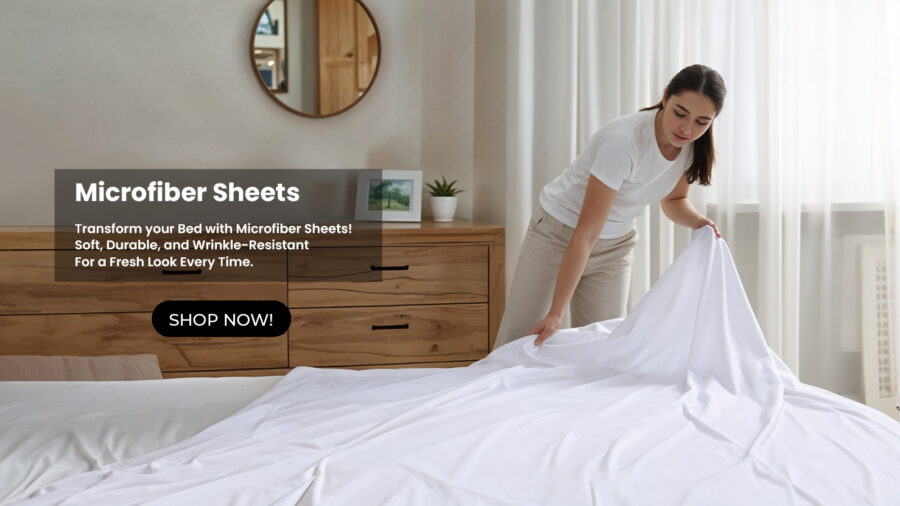
Microfiber sheets are crafted from ultra-thin fibers that are tightly woven together, resulting in a lightweight and comfortable bedding option. This unique construction sets microfiber apart, as it can be made from various materials, including nylon polymers, polyester, or wood pulp.
Benefits of Microfiber Sheets
-
- These sheets are resistant to wear and tear, making them a great option for hotels with high guest turnover.
- Softness and Comfort: These sheets are known for their soft feel, offering a good sleep experience without the hefty price tag of high-thread-count cotton sheets.
- Sheets made up of microfiber require less washing time and tend to resist wrinkles, making them perfect for hotel laundry operations.
- These sheets dry faster than cotton sheets, which is especially helpful in commercial laundry environments where time is crucial.
Microfiber sheets also offer several benefits during the winter months, making them an excellent choice for keeping warm and comfortable.
Read More: Why are Microfiber Sheets Best For Winters!
Are Microfiber Sheets a Good Choice for Hotels?
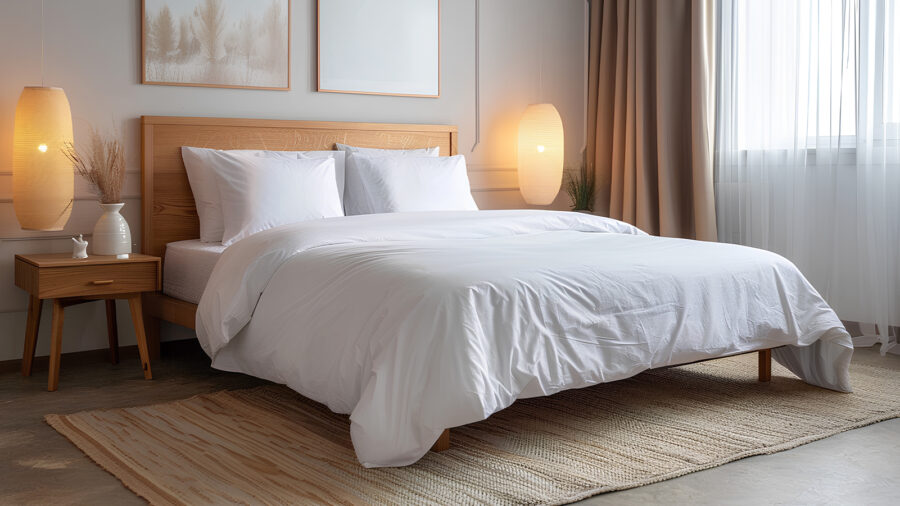
Yes, microfiber sheets can be a good option for hotels, especially those seeking budget-friendly alternatives. Their affordability, durability, wrinkle resistance, and ease of care make them particularly suitable for high-turnover environments.
Read More: Cotton vs Microfiber Sheets
How to Wash Microfiber Sheets
Washing microfiber bedsheets the right way helps maintain their softness and color. Here’s a simple step-by-step guide:
- Read the Manufacturer’s Instructions: Always start by reading the care label on your sheets. Different brands may have specific care guidelines, so it’s best to follow them.
- Wash Separately: To avoid lint transfer from other fabrics, wash your sheets separately. This helps preserve their smooth texture.
- Use Gentle Detergent: Avoid harsh chemicals. Opt for a mild, gentle detergent, and skip fabric softeners and bleach as they can damage the synthetic fibers.
- Cold Water, Gentle Cycle: Set your washing machine to a gentle cycle and use cold water. Hot water can weaken the fibers and cause shrinking.
Avoid Overloading the Washer: Don’t crowd the washing machine. Give your sheets plenty of space to move around for an even cleaner finish.
How to Dry Microfiber Sheets

Drying is just as important as washing to keep your microfiber bedsheets in great shape. Avoid using high-heat settings on your dryer. Instead, select the lowest heat setting or consider air-drying your sheets. If you decide to air dry your fabric, hang them either indoors or outdoors in a shady area, as direct sunlight can fade colors.
Experience A 50% Reduction in Drying Time With Our Opal Fast Drying Microfiber Sheet!
Can Microfiber Sheets Go in the Dryer?
Yes! Microfiber bedsheets can go in the dryer, but it’s important to use the correct settings. Here’s how:
- Low Heat Setting: Always use a low-heat or delicate setting when drying microfiber bedsheets. High heat can damage the fibers and lead to shrinkage.
- Air Dry for Best Results: If you have the time, air drying is the gentlest option. Simply hang your sheets in a shaded area to prevent color fading caused by direct sunlight.
- Remove Promptly: Don’t leave your sheets in the dryer once the cycle finishes. Remove them promptly to avoid wrinkles and preserve softness.
- Fluffing: After drying, give your sheets a good fluffing to restore their soft, smooth texture. You can also run them in the dryer for a few minutes on the low-heat setting to finish off.
Alternative Drying Methods
If you don’t have access to a dryer, don’t worry. You can still achieve great results with these alternative methods:
- Air Drying Indoors: Hang your sheets indoors in a well-ventilated area, away from direct sunlight. This prevents fabric damage and fading.
- Towel Drying: For faster drying, you can place these sheets flat on a towel and roll them up. This absorbs extra moisture and speeds up the drying process.
How to Soften Microfiber Sheets

Over time, bed sheets crafted from polyester or nylon may lose their softness due to detergent buildup or mineral deposits. To restore their fluffiness, try these simple tips:
- Use White Vinegar: Add half a cup of white vinegar during the rinse cycle. It helps break down detergent residue and leaves your sheets feeling softer.
- Baking Soda: Another natural option is adding half a cup of baking soda during the wash cycle. It neutralizes odors and can help soften the fabric.
- Avoid Fabric Softener: While it might seem tempting, fabric softeners can leave a coating on microfiber bedsheets, reducing their natural softness. Stick to natural alternatives like vinegar or baking soda for the best results.
How to Remove Blood Stains from Microfiber Sheets
Blood stains happen, but don’t worry — you can remove them easily from these sheets. Here’s a quick guide:
- Act Fast: As soon as you notice the stain, soak the affected area in cold water. This prevents the stain from setting.
- Apply Hydrogen Peroxide: Dab a small amount of 3% hydrogen peroxide on the stain. Be cautious, as too much can bleach the fabric.
- Rinse and Repeat: Rinse the area with cold water. If the stain persists, repeat the hydrogen peroxide treatment and rinse again.
- Wash normally: Once the stain is gone, wash your sheets as usual to remove any remaining residue.
Conclusion
Microfiber sheets offer a range of benefits for hotels, including durability, ease of maintenance, and cost-effectiveness. By following proper drying and maintenance practices, you can ensure that your microfiber bedsheets last longer while providing a comfortable, soft sleep experience for your guests. Whether you opt for sheets crafted from microfiber for their affordability or their ability to withstand frequent washes, they are a reliable choice for hotel environments.
FAQs
Are Microfiber Sheets Good for Hotels?
Yes, microfiber sheets are an excellent choice for hotels. They combine practicality, comfort, and affordability, making them ideal for environments with high guest turnover. Microfiber sheets are durable, resistant to wrinkles, and easy to care for—qualities that are essential for hotel operations. While cotton sheets remain popular in luxury hotels, many mid-range and budget hotels opt for microfiber sheets because they can withstand frequent washing while maintaining a soft, comfortable feel.
Are Microfiber Sheets Good for Your Skin?
Microfiber sheets are hypoallergenic and resistant to dust mites, which can benefit guests with sensitive skin or allergies. However, some people may find microfiber fabric less breathable than cotton, which could cause discomfort for guests with very sensitive skin. For the majority of hotel guests, though, these sheets provide a soft, smooth sleeping surface that promotes restful sleep without irritation.
If you’re concerned about skin sensitivity, consider offering a range of bedding options, including cotton and microfiber sheets, to accommodate your guests’ preferences.
What Is the Downside of Microfiber Sheets?
While microfiber material has many benefits, there are a few downsides to consider:
- Breathability: Microfiber sheets don’t breathe as well as cotton sheets. This can make them feel warmer, which may not be ideal for guests who sleep hot.
- Static Buildup: These sheets tend to generate static electricity, especially in dry climates. This can make the sheets feel less soft and cause them to cling together.
- Environmental Impact: Since microfiber is a synthetic fabric made from polyester and nylon, it’s not as eco-friendly as natural fabrics like cotton.
Do Hotels Use Cotton or Microfiber Sheets?
The choice between cotton and microfiber sheets depends on the hotel’s budget and quality standards. Many luxury hotels continue to use high-thread-count cotton sheets for their premium feel and breathability. However, these sheets are widely used in mid-range and budget hotels because they are cost-effective, durable, and easier to maintain. The decision ultimately depends on the hotel’s specific needs, guest expectations, and laundry capabilities.


