

Your Guests Are Talking. Are You Listening? Travelers love to talk about their experiences. And when they feel genuinely cared for, they tell the world, often through a glowing hotel review. The flip side? If something goes wrong, they’re even quicker to share it too.
Table of Contents
Why Online Hotel Reviews Matter?
- 81% of travelers read reviews before booking a hotel.
- 79% would pick a hotel with a higher rating when comparing similar options.
- A one-point increase in a hotel’s online score can increase rates by 11.2% without lowering occupancy (Cornell research).
On top of that, when you respond to hotel reviews — both good and bad — you show guests you genuinely care about their experience, which encourages loyalty and return visits.
And the benefits snowball: hotels that actively reply to reviews see a 12% increase in review volume and higher overall scores (Harvard Business Review).
Let’s explore what hotel reputation management involves, why it matters so much today, and the best ways to level up your review game.
How Online Ratings & Reviews Influence Hotel Bookings

Guest reviews act as social proof, building trust among potential guests. According to TripAdvisor, travelers trust verified reviews more than any other form of advertising, and 53% of guests will not book a hotel without reviews.
Positive Reviews Increase:
- Booking conversion rates
- Average daily rates (ADR)
- Guest satisfaction scores
Negative Reviews Can Lead To:
- Reduced bookings
- Lower online ranking in search results
- Damaged brand image
Where Are Guests Leaving Reviews?
Managing your reputation requires active monitoring across various platforms:
- Google Business Profile: One of the first places travelers see your hotel and reviews.
- TripAdvisor: A leading travel review site with millions of users.
- Booking.com, Expedia, Agoda: OTAs where direct bookings happen.
- Social Media: Facebook, Instagram, and Twitter comments and messages.
- Niche sites: Depending on your hotel type, platforms like Yelp or specialized forums might matter.
Read more: Do Hotels Change Sheets After Each Guest? Find Out!
What Is Online Hotel Reputation Management?
Hotel reputation management is everything you do to shape how people perceive your property online, especially through guest reviews. The core of it is tracking and responding to reviews across platforms like TripAdvisor, Yelp, Google, social media, and OTAs. But it’s also about spotting recurring issues, improving your services, and actively asking happy guests to share their experiences.
One of the most common points guests mention in online reviews is the quality of the hotel’s linens, bedding, and bathroom amenities. Crisp, fresh sheets and plush, high-quality towels signal cleanliness and care, while worn-out bedding or rough towels can quickly trigger negative feedback. Prioritizing these in-room essentials not only enhances guest comfort but also improves the chances of earning positive reviews and boosting guest satisfaction.
Read More: Where to Buy Hotel Quality Sheets: Your Guide to Luxury Bedding
A consistent, thoughtful reputation management strategy helps you build credibility, win new bookings, and strengthen your property’s online presence over time.
Current Trends in Online Hotel Review Management
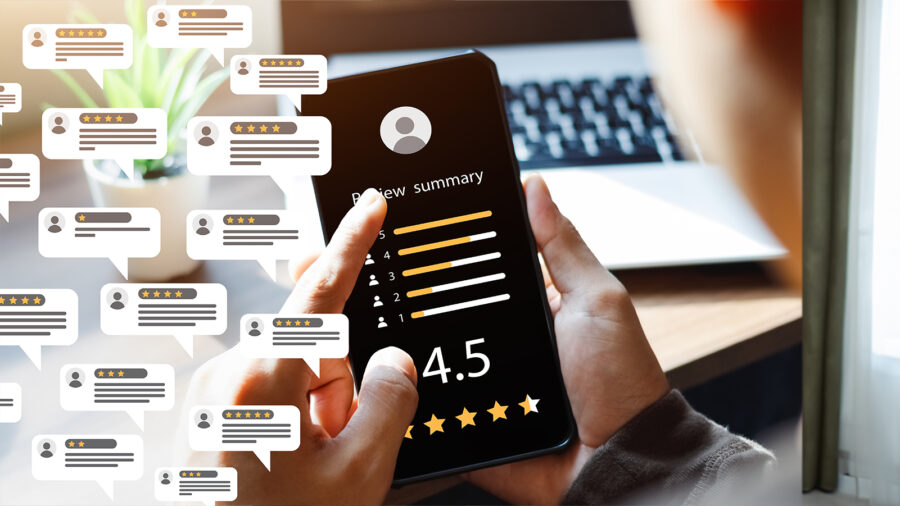
Guest reviews aren’t just a side note anymore — they’re a key part of your marketing, sales, and operational strategies. Here’s why reputation management is more crucial than ever:
- Travelers rely heavily on social proof before booking.
- More hotels are using reviews strategically to improve visibility and stand out.
- Fresh, positive reviews boost your ranking on OTAs and Google.
- Reviews are now feeding into search results and AI-driven recommendations, getting your property in front of more potential guests.
Read more: 8 Essential Hotel Amenities Every Traveler Craves
Best Practices for Managing Online Ratings & Hotel Reviews

Here’s how to manage your online reviews effectively — both responding to what’s already out there and proactively collecting new ones.
Respond Professionally to Reviews
Aim to reply to as many reviews as possible, both glowing and critical. If time is tight, prioritize a healthy mix.
When replying:
- Be timely — 53% of travelers expect a response to negative reviews within a week.
- Stay true to your hotel’s brand voice.
- Personalize your replies instead of using the same template every time.
- Always thank the guest, apologize for any issues, offer a solution if needed, and express your wish to welcome them again.
Example reply:
Dear Michael,
Thank you so much for your kind words about your room and our hotel amenities. We truly appreciate you taking the time to share your experience. We’re sorry to hear that certain aspects of your stay didn’t fully meet your expectations — your feedback is valuable, and our team is actively reviewing it to enhance our guest experience moving forward.
We hope to have the pleasure of welcoming you back soon for an even better stay.
Warm regards,
Encourage More Positive Reviews
Tired of too many service recovery messages? Here’s how to shift the balance toward five-star feedback:
- Set clear, realistic guest expectations pre-booking.
- Communicate proactively before arrival, confirming details and offering add-ons.
- Deliver warm, attentive service throughout the stay.
- Check in during the guest’s visit to resolve issues early.
- Identify delighted guests and ask for reviews — either verbally or via automated surveys.
Read more: Is Your Hotel the Right Choice for Families? A Checklist For Hoteliers
Use Technology to Streamline the Process
Managing reviews manually is time-consuming. Consider using guest communication and review management software to:
- Automate post-stay review requests via email or SMS.
- Identify happy guests and nudge them to share reviews publicly.
- Track and respond to feedback across multiple platforms from one dashboard.
Read more: The Impact of Hotel Bedding Quality on Ratings and Guest Reviews
Final Thoughts
A strong online reputation isn’t built overnight, but with consistent effort, it can quickly become one of your hotel’s greatest marketing assets.
By staying engaged with guest feedback, responding professionally, and encouraging happy travelers to leave reviews, you’ll stand out in a crowded market, build trust, and boost bookings. The above strategies helped you manage your online reputation effectively. Over time, you’ll see the impact on your guest satisfaction scores, online visibility, and bottom


Leave a Comment