
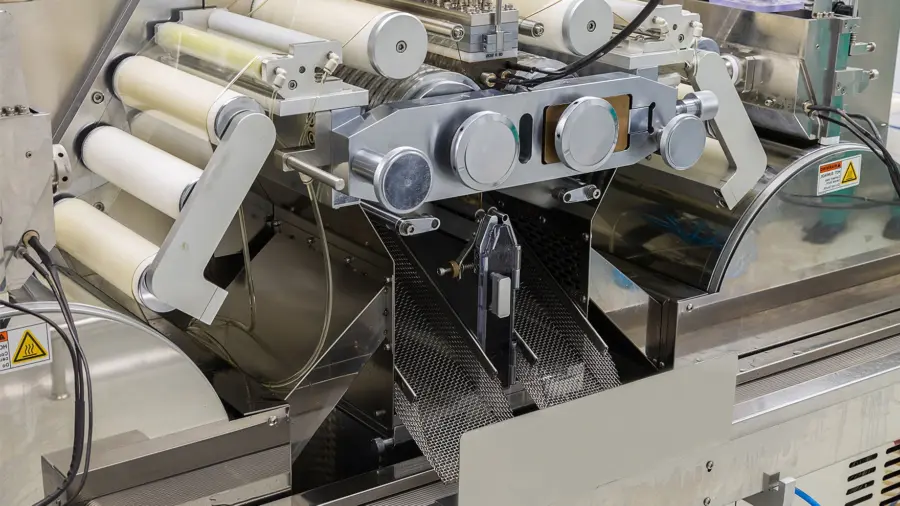
Air jet looms have emerged as a superior alternative to power and shuttleless looms due to their advanced technology and numerous advantages. Unlike power looms that rely on mechanical mechanisms and shuttleless looms that use projectile or rapier systems, air jet looms utilize pressurized air to propel the weft yarn across the warp. Air jet looms have revolutionized the textile industry by providing manufacturers with a faster, more precise, and cost-effective solution for weaving high-quality fabrics.
DZEE Textiles, a leading textile manufacturer, has established itself as one of the prominent players in the industry by adopting cutting-edge technologies that enhance efficiency and ensure top-quality products. Among the array of weaving options available, DZEE Textiles has chosen to employ an air jet loom as the primary production method for fabric manufacturing. The decision to utilize air jet looms stems from their remarkable advantages that surpass customer expectations.
This blog will discuss why fabric woven on air jet looms is considered superior and why the material produced on air jet looms is highly sought after.

Table of Contents
Why is Fabric Woven On Air Jet Looms Better Than Others?
This innovative approach offers several advantages, including higher weaving speeds, improved efficiency, enhanced fabric quality, and greater versatility in handling different types of yarns.
-
Reduced Tension
Air jet loom applies less tension to the yarn during the weaving process than other looms. This reduced tension helps preserve the integrity and strength of the yarn, resulting in a fabric with increased durability.
-
Reduced Yarn Stress
Air jet loom exerts relatively low stress on the yarn during insertion, reducing the chances of yarn breakage or damage. This is particularly advantageous when working with delicate or finer yarns that may be prone to breakage. Fabrics woven with minimal yarn stress are less prone to developing weak points or premature wear, resulting in increased durability.
-
Cost-effective
Due to their high-speed production capabilities, air jet looms offer cost advantages in large-scale fabric production. The efficient use of resources, combined with reduced labor costs per fabric unit, contributes to their cost-effectiveness.
-
Uniform Weave
Air jet loom offers precise control over the weft insertion process, resulting in a uniform and consistent weave. The weft threads are accurately placed, and the air jet propels the weft yarn through the warp shed with precision, minimizing irregularities and ensuring a balanced fabric structure, fabric quality, and consistency. This uniformity contributes to the overall strength and durability of the fabric.
-
Quality Control Measures
DZEE Textiles uses an air jet loom and implements rigorous quality control measures throughout the weaving process. These measures include regular inspections, testing, and adhering to industry standards. By closely monitoring the production and ensuring consistent quality checks, the chances of defects or substandard fabrics are minimized.
Why is Air Jet Looms Better Than Power Looms and Shuttleless Looms?
Air jet loom is the preferred choice of DZEE Textiles, surpassing conventional power loom and shuttleless loom. Their superiority lies in a combination of factors mentioned below:
-
Higher Speed and Efficiency
Air jet looms are known for their high weaving speeds, which are significantly faster than power looms and shuttleless looms. They use a continuous jet of compressed air to propel the weft yarn through the warp, allowing for faster weaving compared to other types of looms. This results in increased productivity and shorter production cycles. The fast insertion of yarn weft allows for efficient fabric production, reducing the overall weaving time. This higher speed translates into improved efficiency and reduced manufacturing costs. The reduced exposure to loom friction and other potential sources of stress during the weaving process can contribute to the fabric’s quality and durability.
-
Reduced Energy Consumption
Air jet looms are more energy-efficient than power and shuttleless loom. The air jet system requires less power for weft insertion, as it relied on compressed air to propel the weft yarn across the warp threads. This leads to reduced energy consumption and lower operating costs for DZEE Textiles.
-
Versatility and Flexibility
Air jet loom offers greater versatility in terms of fabric types, designs, and yarns. They can handle a wide range of fibers, including cotton, synthetic fibers, and blends, making them suitable for diverse applications. Additionally, an air jet loom can weave fabrics of varying densities and weights, providing flexibility to meet specific requirements. By selecting the appropriate yarns, DZEE Textiles can ensure that the resulting fabric meets high-quality standards. We manufacture hotel bed sheets of varying thread counts, from T-180 to T-300, in 100% cotton and polycotton blend, and hotel towels in varying weights, ranging from 300 GSM to 800 GSM.
-
Improved Fabric Quality
Air jet looms provide precise control over the weft insertion process, resulting in uniform and well-defined fabric structures. The accurate placement of weft threads ensures consistent fabric quality with minimal irregularities. Moreover, the reduced tension and stress on the yarn during weaving contribute to the fabric’s durability and overall quality.
-
Lower Maintenance and Downtime
Air jet looms require relatively less maintenance compared to the power and shuttleless loom. Their simplified design and fewer mechanical components result in reduced wear and tear, minimizing the frequency of breakdowns and downtime. This advantage contributes to higher production efficiency and lower maintenance costs.
Conclusion
As discussed above, the utilization of air jet loom has emerged as a significant advancement in the textile industry due to its numerous advantages over traditional weaving methods. The key reason why fabric woven on an air jet loom is considered better lies in its superior quality, efficiency, and versatility to meet the diverse demands of the modern textile industry.
You can also read: The Comprehensive Guide On Hotel Linen


