

Ever find yourself staring at the ceiling at 2:45 AM, calculating how much sleep you’ll get if you drift off right now? You’ve followed all the right sleep hygiene tips, limiting screen time, keeping your room cool and dark, and even swapped late-night coffee for chamomile tea. Yet, restful sleep still seems just out of reach.
Sweet Dreams Start With Better Bedding
Before you blame stress or your schedule, take a moment to think about your bedding. Most people aren’t aware that the type, hygiene, and condition of your bedding can significantly affect how well you sleep. From hidden dust mites to overheating fabrics, even minor bedding mistakes can cause restless nights and groggy mornings. As a proud supplier of premium hospitality bedding trusted by leading hotels across the USA, we’ve seen firsthand how quality linens can transform a night’s rest.
Table of Contents
5 Silent Sleep Disruptors Hiding in Your Bed & How to Fix Them
In this guide, we’ll uncover five silent sleep disruptors that could be hiding in your bedding and the simple fixes you can make for better, more restorative sleep starting tonight.
1. Dust Mites and Allergens in Your Bedding

Bedding naturally collects dust, dead skin cells, and moisture, making it the perfect home for dust mites. These microscopic creatures thrive in warm, humid environments like mattresses, pillows, and sheets, triggering allergies that often worsen at night.
Dust mites release allergens that can cause nasal congestion, itchy eyes, skin irritation, and even asthma-like symptoms. According to the American Academy of Allergy, Asthma & Immunology (AAAAI), dust mites are one of the leading triggers of nighttime allergies, affecting sleep quality for millions of people.
What You Can Do:
Wash sheets and pillowcases in hot water (130°F/54°C) weekly.
Use allergen-proof covers on mattresses and pillows.
Keep your room humidity below 50% to discourage mite growth.
At DZEE USA, our hotel-quality pillow protectors and mattress encasements are specifically designed to guard against allergens while maintaining a luxuriously soft feel.
2. Overheating from the Wrong Fabric

Temperature regulation plays a crucial role in sleep quality. As your body prepares for sleep, your core temperature naturally drops. Bedding made from non-breathable, synthetic materials can trap heat, preventing this natural temperature dip and causing discomfort.
A 2019 study published in the journal Temperature found that sleep quality improves when body temperature decreases during the night, confirming the importance of a breathable sleep environment.
Sleep Better, Every Night with DZEE USA
Discover hotel-quality bedding essentials trusted by 10,000+ hotels! Upgrade your sheets, pillows, and comforters today for the restful sleep you deserve.
Limited stock available — refresh your bedding today!
Choose natural, breathable materials like 100% cotton, bamboo, or linen for sheets and pillowcases. Lightweight, moisture-wicking bedding can help maintain a cooler, more comfortable sleep temperature year-round.
3. Pillow Support That Doesn’t Align with Your Sleep Position

Your pillow should support your head and neck in alignment with your spine. An old or unsuitable pillow can strain your neck and shoulders, creating tension and discomfort throughout the night. Inadequate pillow support often leads to headaches, neck pain, shoulder discomfort, and disrupted sleep posture.
The National Sleep Foundation recommends replacing pillows every 1–2 years for optimal support and hygiene, noting that pillows lose their shape and resilience over time.
Solution:
Select a pillow suited to your preferred sleep position:
- Back sleepers: Medium-loft pillow for balanced head and neck support.
- Side sleepers: Firmer, thicker pillow to fill the gap between the head and shoulder.
- Stomach sleepers: Soft, low-loft pillow or no pillow at all to prevent neck strain.
4. Dirty or Worn-Out Bedding

Even if your bedding appears clean, it silently accumulates sweat, body oils, bacteria, and dead skin each night leading to potential skin irritation, breakouts, and degraded sleep hygiene.
A study by Amerisleep found that unwashed pillowcases, after just one week, harbored ~3 million colony-forming units (CFU) per square inch significantly more than a toilet seat! Sheets contained around 5 million CFU
Quick Fixes:
- Wash your sheets, pillowcases, and blankets weekly, using hot water when possible.
- Replace bedding that feels flat, faded, or has lost its shape or freshness.
- Stay ahead by keeping an extra set of high-quality linens, and swapping them out on laundry day makes maintaining a clean sleep routine effortless.
By staying diligent with laundry and bedding maintenance, you create a healthier, more comfortable sleep environment that supports your skin and rest.
5. Incorrect Bedding Weight for the Season
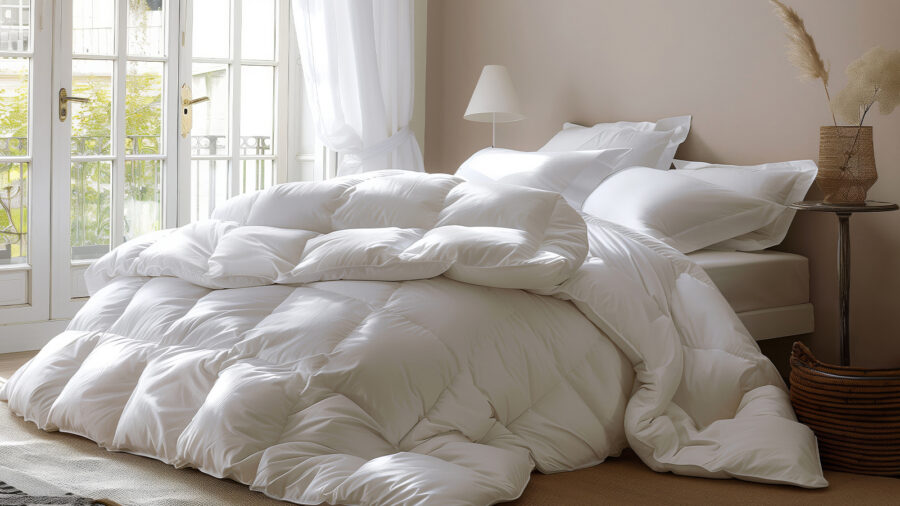
The weight and warmth of your bedding should change with the seasons. Using a heavy comforter during hot months or too-light sheets in winter can lead to uncomfortable body temperature fluctuations.
The Sleep Foundation emphasizes that thermal regulation is vital for achieving uninterrupted, deep sleep and that bedding choices play a major role in maintaining an ideal sleep temperature.
Solution:
Adjust your bedding seasonally:
- Use lightweight, breathable quilts or cotton blankets during warmer months.
- Switch to heavier duvets or flannel sheets when temperatures drop.
- Keep an assortment of bedding options available so you can quickly adjust based on your personal comfort.
Bedding Essentials That Impact Your Sleep Quality
A truly restful sleep environment requires more than just a nice mattress. Here’s what to consider when upgrading your sleep setup:
- Mattress: Provides overall body support, maintains spinal alignment, and reduces pressure points. Replace every 7–10 years for optimal performance.
- Pillows: Support your neck and head based on your sleep position. Look for materials like memory foam, latex, or down alternatives based on your comfort needs and allergies.
- Sheets: Choose breathable, moisture-wicking fabrics like cotton (Percale or Sateen), linen, or bamboo. Look for a thread count between 200–400 for a balance of softness and durability.
- Duvets & Comforters: Opt for down, wool, or down-alternative fills, depending on the season and your personal preferences.
- Duvet Covers: Easier to wash than your comforter, and available in the same skin-friendly fabrics as sheets.
- Mattress Protectors & Toppers: Keep your mattress clean and add extra comfort or adjust firmness levels without buying a new bed.
Final Thoughts:
It’s easy to overlook the impact your bedding has on your sleep, but small adjustments can deliver big improvements. From replacing aging pillows to selecting breathable fabrics and maintaining a regular laundry routine, creating a clean, supportive, and temperature-balanced sleep environment makes restful nights more achievable. At DZEE USA, we believe every night should feel like a five-star stay. Trusted by over 10,000 hotels nationwide for over 25 years, our premium bedding collections deliver the comfort, durability, and sleep quality that hospitality professionals demand — and now you can too.
If you’ve been waking up feeling groggy, congested, or uncomfortable, take a few minutes tonight to assess your bedding. A few simple swaps or upgrades might be all you need for deeper, more rejuvenating sleep.


