

A mattress pad is a thick, quilted layer designed for comfort and softness. A mattress protector is a thin, waterproof barrier that shields against spills and stains. A mattress encasement (the 6-sided protector) is a zippered vault that provides total defense against bed bugs and allergens.
In a residential setting, a mattress might be used by one or two people for years. In a hotel, that same mattress is exposed to hundreds of guests annually.
That means:
- Constant pressure and wear
- Frequent exposure to spills, sweat, and accidents
- High laundering cycles
- Increased risk of allergens and hygiene concerns
Without the right bedding layers, mattresses degrade quickly, and replacing them frequently is not a sustainable cost strategy.
This is where mattress pads, mattress encasements, and mattress protectors come into play, but each solves a different problem.
Table of Contents
Mattress Pads vs Mattress Protectors vs Mattress Encasements – Quick Comparison
| Feature | Mattress Pad | Mattress Protector | Mattress Encasement |
| Primary Goal | Guest Comfort | Daily Hygiene | Mattress Security |
| Coverage | Top Surface (Quilted) | 5-Sides (Fitted Sheet Style) | All 6-Sides (Zippered) |
| Bed Bug Proof | No | No | Yes (100% Effective) |
| Waterproof | Yes, Occasionally | Usually | Yes (Available) |
| Best For… | Softening firm beds & a luxury feel. | Protecting against daily spills & sweat. | Preventing infestations & sealing assets. |
| Laundering | Easy: Fits in standard machines. | Very Easy: Fast wash/dry cycles. | Difficult: Requires lifting the mattress. |
| Durability | Moderate (Wear & Tear) | High (Varies by membrane) | Maximum (Permanent Layer) |
Mattress Pad, Protector, or Encasement: Which One is Right for You?
The confusion is understandable. They look similar, sit in the same place on the bed, and are often marketed together. But in reality, they serve very different purposes, and choosing the wrong one can lead to unnecessary costs or reduced mattress lifespan.
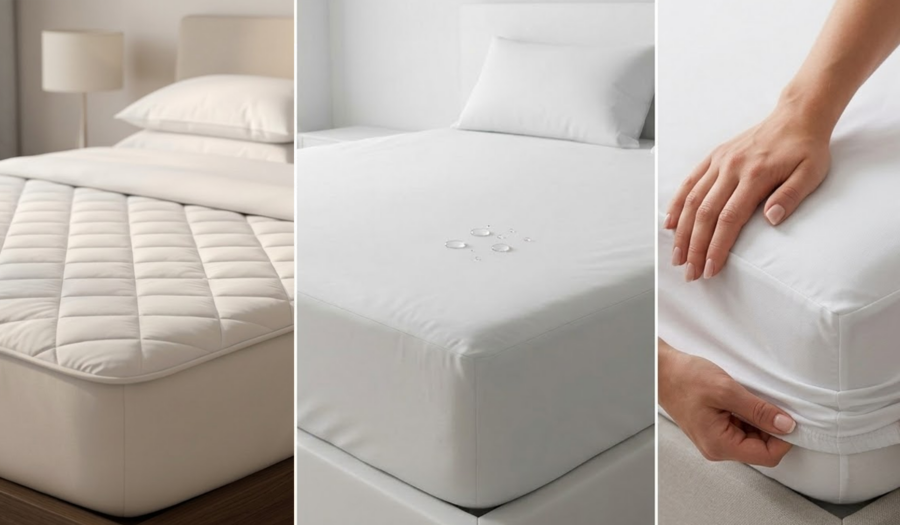
Here is the breakdown of the “Big Three,” reimagined with practical, hospitality-focused insights to help you protect your property’s bottom line.
What Is a Mattress Pad?
A mattress pad is essentially a comfort layer. It is usually quilted, slightly thick, and designed to sit directly on the mattress under the fitted sheet. Most mattress pads are made with soft fillings such as cotton, polyester, or down alternatives. If you are considering a full bed replacement but aren’t ready for the capital expense, a mattress pad is your most cost-effective interim solution. Here are the two options you can choose from:
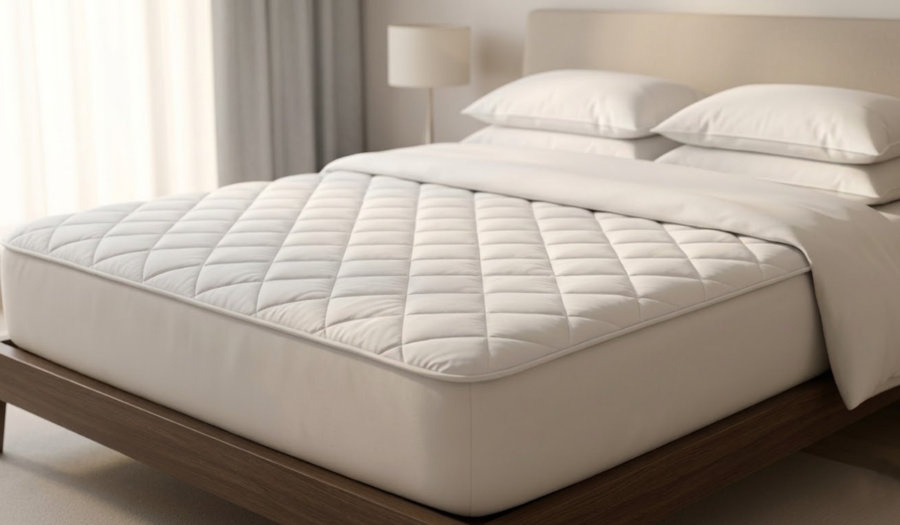
Quilted Mattress Pad: The ultimate layer for adding plush, signature comfort to any guest room. Starting from $11.25/Each
Waterproof Mattress Pad: A high-performance barrier that combines softness with essential spill protection. Starting from $13.95/Each
When to Use a Mattress Pad in Hotels
In a professional hospitality environment, mattress pads are the secret weapon for managing guest expectations. They are most effective when:
- Adjusting Firmness: The existing mattresses feel too rigid for the average guest’s preference.
- Standardizing Comfort: You need to create a consistent “sleep feel” across various room types or older mattress models.
- Enhancing Luxury: A property wants to boost the perceived value of the room and create a plush, 5-star aesthetic without the capital expense of replacing mattresses.
Limitation
A mattress pad may offer minor surface protection, but it is not built to handle liquid spills or deep contamination. In a high-turnover environment like a hotel, this becomes a critical gap.
So while mattress pads contribute to comfort, they do very little to protect the mattress itself.
Read More:
Proven Tips to Reduce Mattress Replacements
What Is a Mattress Protector?
A mattress protector, on the other hand, is designed with a completely different goal:
to protect the mattress from damage.
It is typically thin, fitted like a sheet, and made from materials that create a barrier against:
- Liquids (spills, sweat, accidents)
- Dust and dirt
- Allergens and bacteria
When to Use a Mattress Protector in Hotels
Most commercial-grade mattress protectors used in hotels include a waterproof backing, often made with a thin polyurethane layer. This layer prevents moisture from seeping into the mattress while still allowing airflow for comfort. Read more: Best Waterproof Mattress Protector for Bedwetting
- From Day One: Install immediately on new mattresses to validate manufacturer warranties and prevent early stains.
- For Every Guest Turn: Essential for maintaining a sanitary sleep surface by blocking sweat, skin cells, and hair oils.
- In High-Moisture Areas: Use in humid or coastal climates to prevent mold and mildew growth within the mattress layers.
- During Allergy Season: Provides a critical barrier against dust mites, pet dander, and seasonal allergens for sensitive guests.
- Accident Prevention: Ideal for properties that allow pets or cater to families, protecting against spills and liquid damage.
Read more:
Comprehensive Guide | How to Protect Hotel Mattresses?
Mattress Pad vs. Topper: Key Differences & What You Need
Limitations
Zero Pest Defense: Because the bottom is open, a 5-sided protector provides no protection against bed bugs. Pests can easily crawl underneath and nest in the mattress core.
Shifting and Bunching: Since it relies on an elastic skirt, it can shift or pop off the corners during a restless night, potentially exposing the mattress surface to spills.
What is Mattress Encasement
A mattress encasement is a six-sided, zippered barrier that completely surrounds a mattress (top, bottom, and all four sides). Unlike a standard 5-sided protector, it acts as a total seal designed to prevent bed bugs, dust mites, and allergens from entering or escaping. It is the only 100% effective solution for professional-grade pest prevention and long-term asset protection.
Read more:
Waterproof Mattress Encasement Feature
When to Use a Mattress Encasement in Hotels
In the hospitality industry, encasements are considered “asset insurance.” They are the gold standard for property management and are most effective when:
- Proactive Pest Control: You need a high-level defense against bed bugs. An encasement makes inspections easier and prevents infestations from taking hold in the mattress core.
- Extending Asset Life: If you have an older mattress that is still comfortable, an encasement “renews” the hygiene of the bed by sealing away years of accumulated allergens and dust mites.
- Protecting Warranties: Most manufacturers will void a warranty if a mattress has even a single stain; a six-sided waterproof encasement ensures your investment remains eligible for coverage.
Limitations
It zips around all six sides; you have to lift the entire mattress to remove it physically. And if the zipper is damaged or left slightly open, the bed bug protection is completely compromised.
The Professional Choice for Total Mattress Protection
While a mattress pad is for comfort, a mattress encasement is for security. It is a heavy-duty “vault” that stays on the mattress permanently to “lock in” the quality of your investment. If you are looking to secure your property against pests or deep contamination, here are the three essential options:
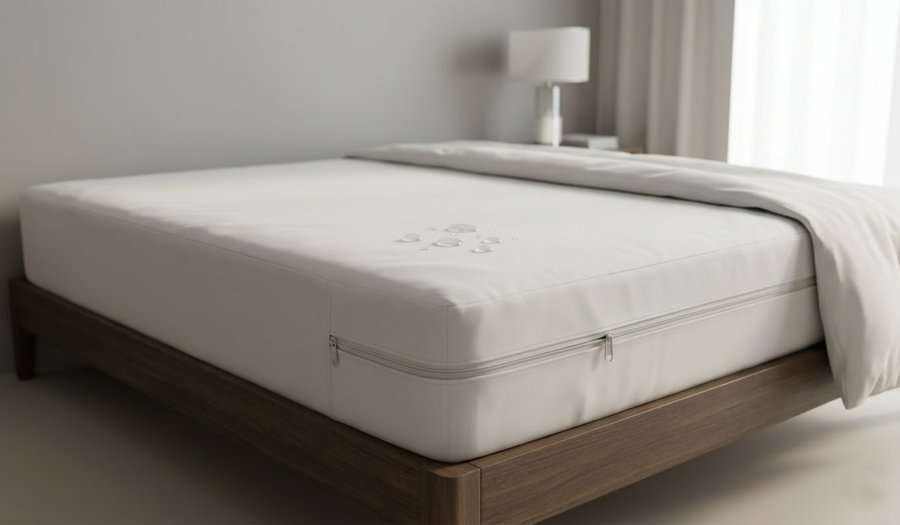
- Bed Bug Encasements: Engineered with a specialized locking micro-zipper that prevents bed bugs from penetrating the fabric.
Box Spring Encasement: Often the most overlooked hiding spot for pests; this provides 360-degree security for your box spring. - Waterproof Mattress Encasement: A premium 6-sided shield that combines bed bug security with a breathable, waterproof membrane to block all fluids.
Final Thoughts
If you’re managing a hotel, your decision-making should always start with protection. A mattress is a high-cost, long-term asset, and safeguarding it should be non-negotiable.
The Strategic Approach for Hoteliers:
- Install a Mattress Encasement in every room: This is your “permanent seal.” It provides 360-degree security against bed bugs and allergens that a standard protector cannot reach.
- Use a Mattress Protector for daily hygiene: Layer this over the encasement. It’s thin, waterproof, and easy for housekeeping to strip and wash during every turnover.
- Add a Mattress Pad for comfort only when needed: If your mattresses feel too firm or you want to provide a “5-star cloud” experience, the pad is your finishing touch.
10,000+ Hotels Trust DZEE Textile for their Hotel Bedding Needs
DZEE Textiles is your trusted one-stop solution for premium hospitality supplies, proudly serving over 10,000 customers across the United States for more than two decades. We help hotels get luxury hotel essentials without paying luxury prices.
As a leading manufacturer and wholesale supplier in the USA, we offer a complete range of high-quality hotel supplies, including towels, bed linens, decorative bedding, hotel accessories, bath amenities, electrical appliances, cleaning supplies, and more Hospitality items. DZEE also offers free shipping on most orders, making it easier for hospitality businesses to save more while getting the products they need. With distribution centers located in Orlando, FL; Knoxville, TN; Dallas, TX; and Las Vegas, NV, we ensure fast, reliable delivery and exceptional customer service nationwide.
FAQs
1. Is a mattress pad the same as a mattress topper?
Not exactly. While both add comfort, a mattress topper is much thicker (usually 2–4 inches) and is designed to significantly change the feel of a mattress. A mattress pad is thinner (under 1 inch) and quilted, designed to provide a layer of softness and light surface protection without changing the bed’s core support.
2. Does a mattress protector go over or under a mattress pad?
For the best results, place the mattress pad over the mattress protector. This allows the pad to provide maximum comfort directly under the sheet, while the protector stays underneath to catch any liquids that soak through the pad, keeping the mattress bone-dry.
3. Can I use a mattress encasement as a regular mattress protector?
Yes, but it is not recommended for daily laundering. Because an encasement zips around all six sides, it is difficult to remove. The professional approach is to leave the encasement on permanently as a “base layer” for bed bug protection and use a 5-sided fitted protector on top for easy, frequent washing.
4. Do mattress protectors make the bed feel hot?
In the past, vinyl protectors were notorious for trapping heat. However, modern commercial-grade protectors—like those at DZEE Textiles—use breathable TPU (Thermoplastic Polyurethane) membranes. These allow air to circulate while remaining 100% waterproof, ensuring a cool and comfortable sleep environment for your guests.
5. Will a mattress protector or encasement void my warranty?
Actually, it’s the opposite. Most mattress warranties are voided if the mattress has a single stain. Using a waterproof protector or a 6-sided encasement is the only way to ensure your mattress remains in pristine condition, keeping your manufacturer’s warranty fully intact.
6. Do all mattress encasements protect against bed bugs?
No. To be truly “bed bug proof,” an encasement must have a locking micro-zipper and reinforced seams that are too tight for even the smallest pests to penetrate. Always verify that your encasement is specifically labeled as “bed bug certified” rather than just “allergy-proof.”


