

At first glance, mattress toppers and mattress pads appear similar, both resting on top of your mattress to boost comfort. Yet, their true purpose and impact on your sleep experience are quite different. Understanding these distinctions is crucial for choosing the right one for your unique needs.
A mattress pad is your go-to for adding a luxurious, plush layer that instantly boosts comfort and shields your mattress from spills and stains. Think of it as a protective, soft embrace for your bed. For those seeking a more significant change in feel, a mattress topper is a thicker solution that can make a firm mattress softer or even add firmness to a plush one. Let’s explore the difference between the two in detail.
Read More: How Can Hotel Mattress Pads Add To The Touch Of Comfort?
Table of Contents
What Is a Mattress Pad?
A mattress pad is a thin layer of padding that sits directly on top of your mattress, typically held in place with elastic straps or fitted corners. Its primary role is to add slight comfort and protect your mattress from spills, stains, allergens, and dust mites.
Unlike toppers, mattress pads are not designed to significantly alter the firmness or support of your mattress. They’re more about enhancing softness, adding a plush touch, and providing a layer of protection.
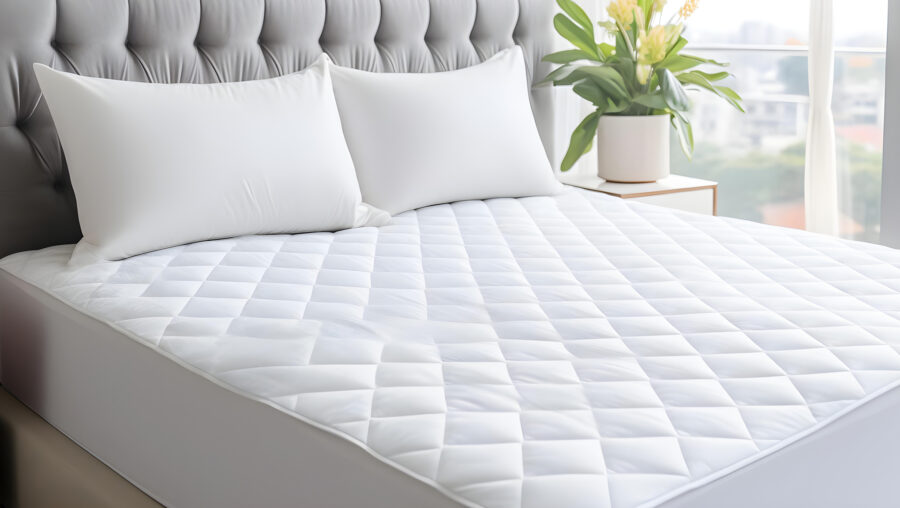
Top Benefits of Quilted Mattress Pads
Here’s why hotels, hospitals, and households are making quilted mattress pads a top choice:
1. Enhanced Sleep Comfort
The soft, pillowy top layer adds gentle padding to your bed, making even a firm or older mattress feel more inviting. While not as thick as toppers, quilted pads offer just enough softness to reduce minor pressure points, especially at the shoulders and hips.
2. Protection Without Bulk
Quilted pads act as a barrier against stains, sweat, dust mites, and allergens, preserving your mattress investment. Some models come with water-resistant or waterproof properties, making them perfect for high-turnover accommodations like hotels or assisted living facilities.
3. Hypoallergenic Properties
Quilted mattress pads are often filled with polyester or down-alternative fibers, making them suitable for those with allergies to feathers or wool. Many options also feature antimicrobial treatments to reduce odors and bacteria.
4. Perfect Fit and Stability
Most quilted mattress pads come with deep-pocketed fitted skirts or elastic anchor bands that keep them securely in place, even on extra-thick mattresses or with frequent movement—ideal for guest beds and high-traffic rooms.
5. Machine-Washable Convenience
Designed with everyday practicality in mind, quilted pads are easy to clean. Unlike memory foam toppers that require spot-cleaning, these pads can be tossed in the washer for a full refresh, saving both time and money.
Material & Construction: What’s Inside a Quilted Mattress Pad?
The quality of a quilted mattress pad depends largely on its fabric shell and fill material. Let’s look at the most common combinations
Here are some common highly recommended mattresses
| Type | Material | Best For |
| Feather | Duck/goose down | Softening firm mattresses |
| Wool | Natural wool | Regulating temperature, breathability |
| Fiberfill | Polyester | Lightweight comfort, allergy-friendly |
| Cooling Gel | Gel-infused fabric | Hot sleepers, breathable comfort |
Quilted Mattress Pads for Hotels & Commercial Use
In the hospitality industry, mattress cleanliness and guest comfort are top priorities. That’s why quilted mattress pads are a staple in hotel bedding setups.
Why hotels prefer quilted mattress pads:
- Adds comfort without needing a new mattress
- Reduces mattress cleaning frequency
- Washable between guest stays
- Enhances bed presentation with a plush look
- Cost-effective protection and extended mattress life
Look for mattress pads with deep skirts (15″–18″) and durable stitching to withstand frequent laundering cycles in commercial environments.
What Is a Mattress Topper?
A mattress topper is a thick, dense layer designed to significantly change the feel of your mattress. Whether your current bed is too firm, too soft, or starting to sag, a topper can help you customize comfort and improve support—without buying a new mattress.
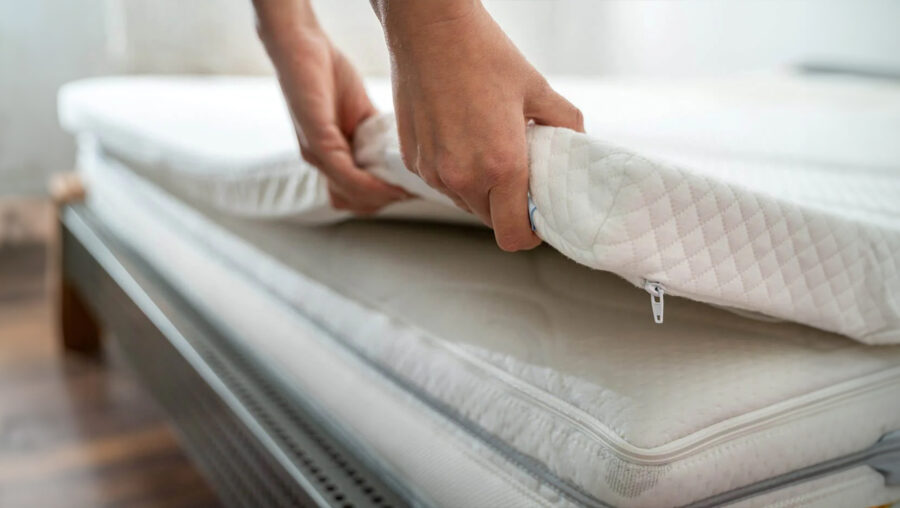
Toppers typically range from 1 to 4 inches thick and can be made from materials like memory foam, latex, feather, or wool.
Features to Look for in a Hotel Mattress Topper
When selecting a mattress topper for hospitality use, consider the following:
- Cover Fabric: Opt for breathable cotton or microfiber
- Corner Straps or Fitted Skirt: Prevents shifting on the bed
- CertiPUR-US or OEKO-TEX Certification: Ensures non-toxic materials
- Cooling Technology: Gel-infused or breathable layers to regulate temperature
- Durability: Choose toppers with high-resilience foam or reinforced stitching
Best Types of Mattress Toppers
A proper sleep surface is critical for pain management. This includes both your mattress and the mattress topper—because when your spine and hips are supported correctly, your muscles can finally relax. For individuals experiencing lower back and hip pain, the ideal mattress topper will cushion pressure points while maintaining healthy spinal alignment. Here are some of the highly recommended mattress toppers.
Read More: How Can Waterproof Mattress Pads Help With Incontinence Care In Hotels?
1. Memory Foam Toppers
Best for: Side sleepers and those needing pressure relief
Memory foam contours to your body, relieving pressure and maintaining alignment.
Pros:
- Adapts to your shape
- Excellent for pressure relief
- Long-lasting comfort
Cons:
- Can trap heat (unless gel-infused)
2. Latex Mattress Toppers
Best for: Sleepers who want firmer support and better temperature control
Latex is responsive, breathable, and naturally firm—ideal for supporting hips and backs.
Pros:
- Hypoallergenic and eco-friendly
- Durable with natural bounce
- Keeps cool
Cons:
- More expensive than foam
- Less contouring than memory foam
3. High-Density Foam Toppers
Best for: Back and stomach sleepers needing firm support
These toppers resist sinking and offer consistent support to align your spine.
Pros:
- Strong spinal alignment
- Medium-firm to firm feel
- Budget-friendly
Cons:
- Not very breathable
4. Hybrid Mattress Toppers
Best for: Sleepers who change positions
Why it works: Hybrid toppers combine memory foam and latex to provide both contouring and firmness.
Pros:
- Balances pressure relief and support
- Better temperature regulation
- Ideal for couples with different needs
Cons:
- Heavier and pricier
5. Orthopedic Toppers
Best for: Severe or chronic back and hip pain
Why it works: These are medically designed to support the spine and reduce joint pressure.
Pros:
- Clinical-grade firmness
- Improves posture during sleep
- Long-term therapeutic benefits
Cons:
- Not as soft or plush
- Limited availability
Popular Types of Mattress Toppers
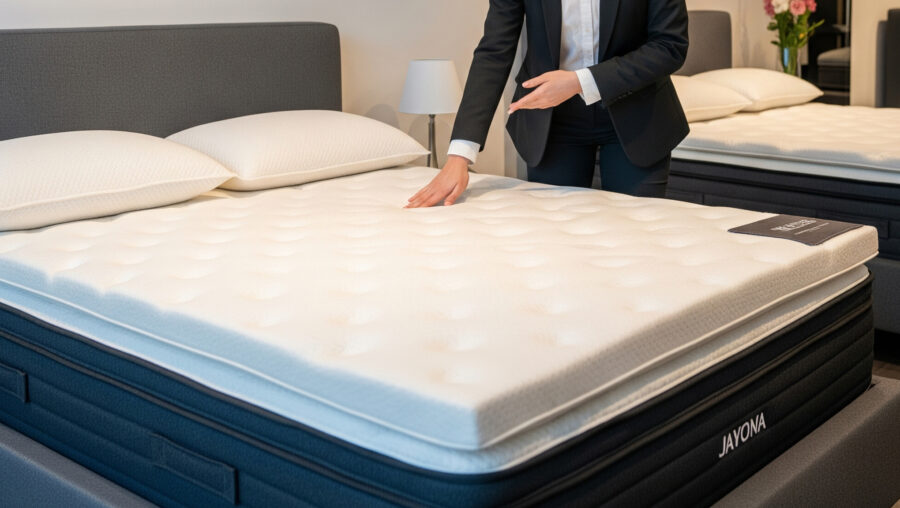
Here are some of the highly recommended mattress toppers
| Type | Material | Best For |
| Memory Foam | Viscoelastic foam | Deep pressure relief, body contouring |
| Latex | Natural/synthetic latex | Bouncy support, breathability |
| Feather | Down and feather | Fluffy softness, luxury feel |
| Wool | Sheep wool | Temperature regulation, natural feel |
Mattress Pad vs. Mattress Topper: Side-by-Side Comparison
Here is a quick difference between a mattress pad and a mattress topper.
| Feature | Mattress Pad | Mattress Topper |
| Purpose | Light comfort + protection | Major comfort upgrade + support |
| Thickness | 1-2 inches | 2-4+ inches |
| Impact on Feel | Minimal – softens slightly | Significant – softens or firms as needed |
| Protection Level | Excellent for spills/dust/allergens | Minimal protection – more about comfort |
| Durability | 2-3 years (depending on usage/material) | 3-5 years (based on material) |
| Cleaning | Usually machine washable | Some have removable covers; others spot clean |
| Cost | Budget-friendly ($30 – $150 avg.) | Premium price ($100 – $400 avg.) |
When to Choose a Mattress Pad
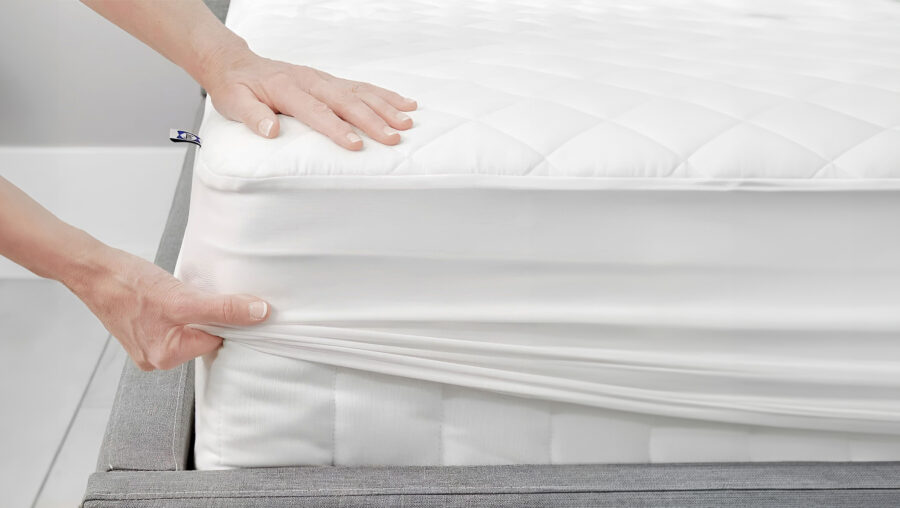
A mattress pad is your go-to option if:
- You want to add a soft layer without changing support
- You need to protect your mattress from spills, dust, or allergens
- You’re looking for a low-cost comfort boost
- You want a washable layer for cleanliness and hygiene
Ideal for Hotels, student dorms, kids’ beds, and light sleepers who don’t need major firmness adjustments.
When to Choose a Mattress Topper
A mattress topper is a better fit if:
- Your current mattress is too firm, too soft, or too sagging
- You experience pressure points in your shoulders, hips, or back
- You want to customize your sleep surface without buying a new mattress
- You’re looking for advanced support and alignment
Ideal for side sleepers, people with back pain, aging mattresses, and those wanting a “new bed” feel.
Final Verdict: Which One Is Right for You?
Still wondering whether to go for a mattress pad or a topper?
- Choose a mattress pad if you need light comfort, protection, and washability.
- Choose a mattress topper if you’re looking to redefine the feel of your mattress, especially if it’s too hard or soft.
Both accessories can improve sleep quality—just in different ways. Investing in the right bedding accessory can completely transform your sleep. Whether you’re choosing a mattress pad for basic comfort and cleanliness or a topper for a major upgrade in feel and support, understanding their differences is key.
For more sleep essentials, shop high-quality bedding and mattress accessories designed for hotels, vacation rentals, care homes, and luxury residences.
Sleep better, live better.
Explore Dzee’s Best-In-Class Hotel Bedding Essentials
Why Institutions Trust DZEE Textiles
- Used by 10,000+ hotels, hospitals, and care homes
- Backed by 20+ years of textile expertise
- Lab-tested for performance and longevity
- Eco-conscious and skin-safe certifications
- Fast, nationwide shipping and personalized account support
Whether you’re responsible for healing patients, hosting guests, or housing long-term residents, DZEE delivers the same high-performance bedding we supply to world-class hotels, healthcare, hospitality, and wellness establishments.
FAQs
Q: Can I use both a mattress pad and a topper?
A: Yes! Many sleepers use a topper for comfort and a pad over it for protection and hygiene.
Q: Do mattress pads help with back pain?
A: Slightly—but for targeted support, a memory foam or latex topper is usually more effective.
Q: Are mattress pads waterproof?
A: Some are! Look for waterproof mattress pads if liquid protection is a priority.


