

A duvet and a comforter are both used to provide warmth and comfort on a bed, but they are made and used differently. A duvet, often called a duvet insert, is a filled bedding layer that is normally placed inside a removable duvet cover. A comforter is generally a single-piece bedding product with the outer fabric, filling, and stitching combined into one unit.
For hotels, the difference is more than just appearance. The type of bedding you choose can affect guest comfort, housekeeping, laundry procedures, bed-making, storage, and replacement. Understanding how duvets and comforters differ can help hotel owners, managers, and housekeeping teams choose the right bedding for their rooms.
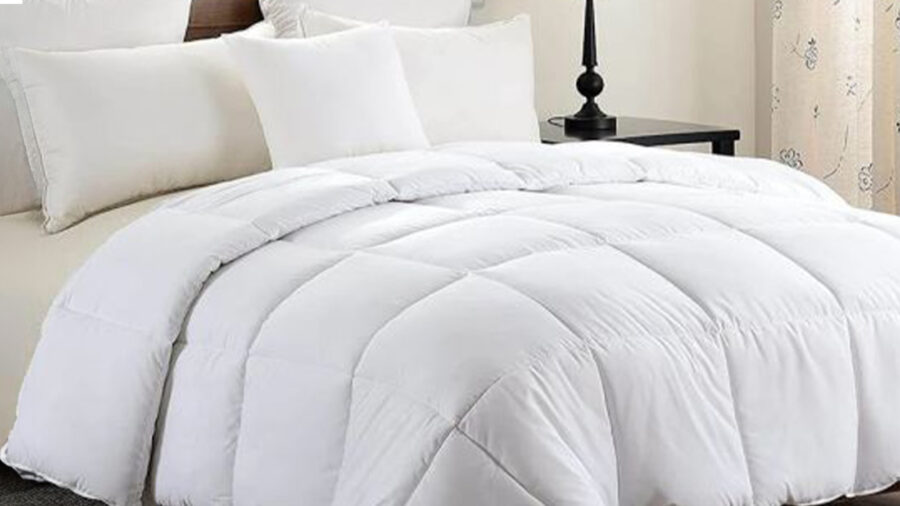
What Is a Duvet?
A duvet is a soft, filled bedding insert designed to provide warmth and insulation. The filling may be made from down, feathers, polyester fibers, or other materials, depending on the product.
Unlike a traditional comforter, a duvet is normally used with a separate duvet cover. The cover protects the insert and can be removed when the bed needs to be changed or the cover needs to be laundered.
What Is a Duvet Insert?
The duvet insert is the filled inner layer. It provides most of the warmth and loft of the bedding.
Duvet inserts can vary in:
- Fill material
- Fill weight
- Warmth level
- Shell fabric
- Construction
- Size
- Weight
For hotel applications, these differences matter because the bedding needs to perform consistently through repeated use and laundering.
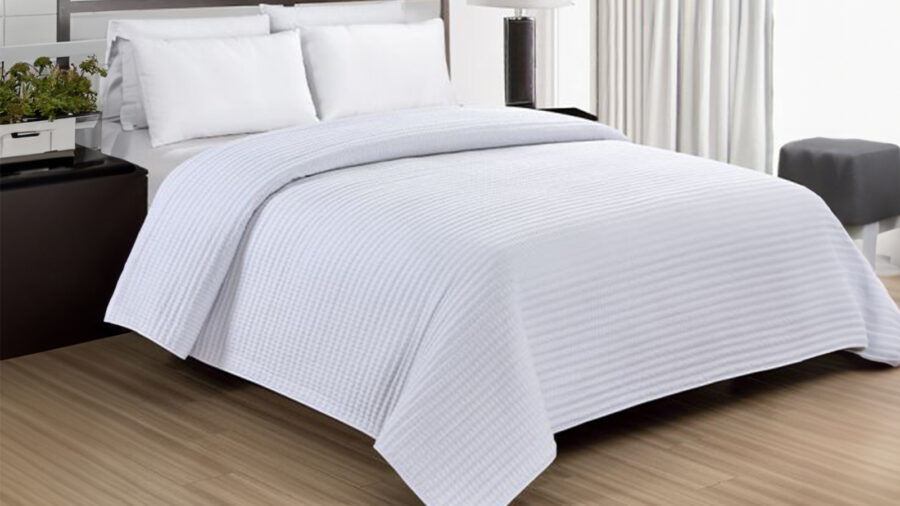
Advantages of Duvets
Removable cover: The duvet cover can be removed separately from the insert, making it easier to change the visible layer between guests.
Flexible appearance: Hotels can change the look of a bed by using different duvet covers without replacing the insert.
Adjustable bedding options: Different duvet inserts can be selected based on climate, room requirements, and desired warmth.
Professional bed presentation: A properly fitted duvet and cover can give a hotel bed a clean, layered appearance.
Things to Consider With Duvets
A duvet normally requires a separate cover, so housekeeping staff have an additional piece of bedding to handle. Putting a traditional duvet cover onto an insert can also take time, particularly when a property has a large number of rooms.
The duvet insert itself also needs to be cared for according to its material and manufacturer’s laundering instructions. The fact that the cover is removable does not mean the insert never needs cleaning.
What Is a Comforter?
A comforter is a one-piece filled bedding product. Its outer fabric, filling, and stitching are combined into a single piece, so it does not require a separate duvet cover.
Comforters may use synthetic fibers, cotton, down, down alternatives, or other types of filling. Quilting or stitching helps hold the filling in place and gives the comforter its overall structure.
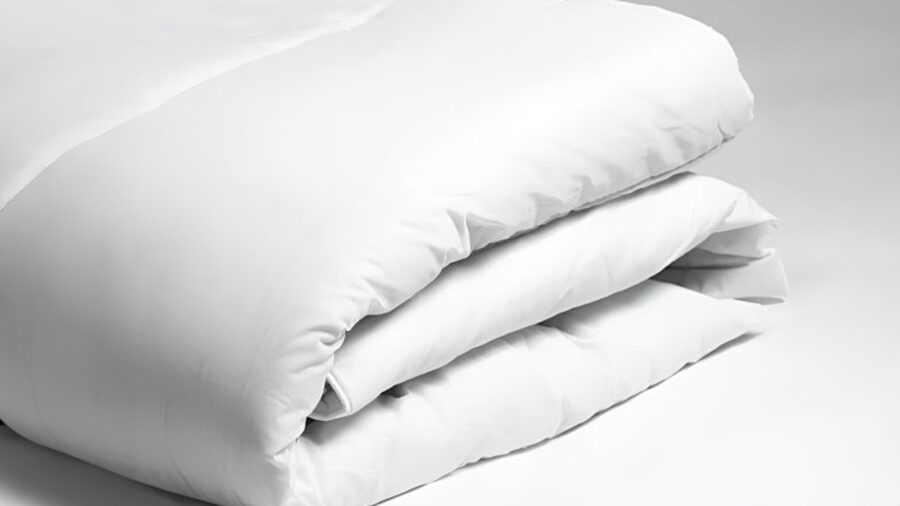
Advantages of Comforters
Simple setup: A comforter can be placed directly on the bed without fitting a separate cover.
One-piece construction: Housekeeping staff only need to handle one main bedding piece.
Consistent appearance: The color, fabric, and design are built into the comforter itself.
Straightforward bed-making: For properties that prioritize a simple bedding setup, a comforter can be convenient.
Things to Consider With Comforters
Because the comforter is one piece, the entire product generally needs to be handled when it requires cleaning. Large or heavily filled comforters can also require more space, equipment, and drying time than smaller bedding items.
Changing the appearance of the bed is also less flexible because the outer design is part of the comforter itself.
Duvet vs Comforter: Key Differences
The main difference is construction. A duvet is a filled insert normally used with a removable cover, while a comforter combines the filling and outer layer into one product.
| Feature | Duvet | Comforter |
|---|---|---|
| Construction | Filled insert used with a cover | One-piece filled bedding |
| Separate cover | Usually required | Not required |
| Filling | May include down, feathers, polyester or other fills | May include synthetic or natural fills |
| Appearance | Depends largely on the duvet cover | Built into the product |
| Maintenance | Cover can be removed separately; insert has its own care requirements | Entire comforter is handled as one piece |
| Customization | High because covers can be changed | More limited |
| Bed-making | Requires insert and cover | One-piece setup |
| Replacement | Insert and cover can be replaced separately | Usually replaced as one product |
| Hotel application | Useful when cover changes and presentation are important | Useful when simple one-piece handling is preferred |
Neither option is automatically right for every property. The better choice depends on the hotel’s housekeeping process, laundry capacity, room standards, climate, and guest expectations.
Duvet vs Comforter: Which Is Easier to Maintain?
Maintenance is one of the biggest differences between the two bedding systems.
With a duvet, the cover can be removed and laundered separately from the insert. This gives hotels more flexibility when changing bedding between guests. However, the duvet insert still requires appropriate cleaning and care based on its construction and filling.
A comforter does not have a separate cover. When it needs to be cleaned, the entire comforter must be handled according to its care instructions.
For a hotel, the practical question is not simply which bedding is easier to wash. The better question is:
Which bedding system fits your property’s housekeeping and commercial laundry workflow?
A hotel with a high room-turnover rate may place greater value on removable covers and standardized bedding procedures. Another property may prefer the simplicity of a one-piece comforter.
Duvet vs Comforter for Hotels
Hotels have different bedding requirements from residential users. Bedding is used repeatedly, handled by housekeeping teams, and exposed to frequent laundering. It also needs to maintain a consistent appearance across many guest rooms.
Housekeeping and Bed-Making
A duvet system includes two main pieces: the insert and the duvet cover. Housekeepers need to fit the insert correctly inside the cover and secure it in place.
A comforter is simpler in this respect because it is already assembled.
For hotels using duvet covers, a cover design that makes installation and removal easier can reduce the time required during room turnover.
Commercial Laundry
Laundry procedures should be considered before choosing bedding.
Hotels should evaluate:
- Washing requirements
- Drying time
- Equipment capacity
- Bedding weight
- Frequency of laundering
- Storage requirements
- Product durability
The duvet cover and duvet insert should be considered separately when planning a commercial laundry operation.
Guest Comfort
Both duvets and comforters can provide a comfortable night’s sleep. What matters is the construction, filling, weight, warmth, breathability, and overall bedding configuration.
Hotels operating in different climates may also have different requirements. A property in a colder climate may need a warmer, more substantial bedding system, while a warmer destination may require a lighter option.
Room Presentation
The bed is one of the most visible parts of a hotel room. Bedding should therefore provide a clean and consistent appearance while fitting the hotel’s room standards.
Duvet covers also give properties more flexibility because the visible cover can be changed without replacing the entire insert.
Replacement and Procurement
Hotels also need to think beyond the initial purchase.
A bedding program may involve maintaining replacement inventory, standardizing sizes, managing linen par levels, and ensuring that replacement items match existing rooms.
With a duvet system, the insert and cover can be managed as separate components. This can provide additional flexibility when one component needs to be replaced.
Duvet vs Duvet Cover: What’s the Difference?
A duvet and a duvet cover are not the same thing.
The duvet is the filled inner bedding layer that provides warmth. The duvet cover is the removable fabric layer that surrounds the duvet and protects it.
Think of the duvet as the insert and the duvet cover as the outer layer.
For hotels, the duvet cover is especially important because it is the part of the bedding that can be removed and changed between guests. The design of the cover can also affect how quickly housekeeping staff can make and prepare a bed.
Hotels looking for ways to make duvet changes easier should also consider the cover’s opening, closure, corner attachments, and overall construction.
Duvet and Comforter Sizes for Hotel Beds
Choosing the correct bedding size is important for both comfort and appearance. A duvet or comforter should provide appropriate coverage for the mattress and bed setup rather than simply matching the mattress dimensions.
Common hotel bed sizes include:
- Twin
- Full
- Queen
- King
- California King
The actual duvet or comforter dimensions can be larger than the mattress dimensions to provide adequate coverage and an appropriate drop over the sides of the bed.
Before ordering hotel bedding, properties should check the actual product dimensions instead of assuming that every manufacturer’s Queen, King, or California King product has identical measurements.
How Should a Hotel Choose Between a Duvet and Comforter?
There is no single bedding solution that works for every hotel. The decision should be based on the property’s operational requirements.
Consider these factors before purchasing:
Housekeeping Workflow
How much time does your team have to make each room? A one-piece comforter may simplify setup, while a duvet system provides a removable cover.
Laundry Capacity
Consider the size and capacity of your commercial laundry operation. Bedding weight, washing requirements, drying time, and storage all matter.
Guest Comfort
Look at the fill, warmth, weight, breathability, and overall construction of the bedding rather than choosing based only on whether it is called a duvet or comforter.
Room Presentation
If your property regularly changes room styling or wants flexibility in visible bedding, duvet covers provide more options.
Replacement Strategy
Think about how replacement inventory will be managed. A duvet system allows the insert and cover to be considered as separate components, while a comforter is normally replaced as one piece.
Climate and Season
The appropriate bedding weight and warmth can vary significantly depending on the hotel’s location and season. Hotels may also use hotel blankets as an additional bedding layer when room conditions or guest preferences require it.
Hotel Duvets and Bedding from DZEE Textiles
DZEE Textiles supplies hotel supplies and hospitality bedding for hotels and other commercial properties, with options designed around different room standards and operating requirements.
When selecting hotel duvets, properties should look beyond appearance and compare the construction, shell material, filling, weight, size, laundering requirements, and expected usage.
For hotels purchasing bedding in larger quantities, standardizing the bedding specifications across rooms can also make procurement, replacement, and housekeeping easier to manage.
Explore DZEE’s hotel bedding and duvet options to find products suited to your property’s requirements.
Frequently Asked Questions
Is a duvet the same as a comforter?
No. A duvet is generally a filled insert used with a separate duvet cover, while a comforter is usually a single-piece filled bedding product.
What is a duvet insert?
A duvet insert is the filled inner portion of a duvet system. It provides the warmth and loft and is normally placed inside a duvet cover.
Does a duvet need a duvet cover?
A duvet is normally used with a duvet cover. The cover protects the insert, provides the visible appearance of the bed, and can be removed separately for laundering.
Is a duvet warmer than a comforter?
Not necessarily. Warmth depends on factors such as the filling, fill weight, construction, and overall bedding design. A well-made comforter can be warmer than a lightweight duvet, and vice versa.
Which is easier to wash, a duvet or comforter?
A duvet cover can be removed and laundered separately, which can make routine bedding changes more convenient. However, the duvet insert still needs appropriate care. A comforter is handled as one piece when it requires cleaning.
Do hotels use duvets or comforters?
Hotels use both. The choice depends on the property’s bedding standards, housekeeping workflow, laundry capabilities, climate, guest expectations, and procurement requirements.
What size duvet should a hotel use?
The appropriate size depends on the bed size, mattress depth, desired coverage, and the specific duvet design. Hotels should always check the manufacturer’s actual product dimensions before ordering.
Looking For Duvet Covers That Install In Seconds?
DZEE’s Easy-To-Install Duvet Covers Feature Center And Side Openings With Secure Closures, Making Housekeeping Effortless.
Duvet vs Comforter: Choosing the Right Hotel Bedding
The difference between a duvet and a comforter comes down mainly to construction, cover design, maintenance, and how the bedding fits into the hotel’s daily operation.
A duvet system offers a removable cover and greater flexibility, while a comforter provides a simple one-piece bedding solution. For hotels, the right choice should also take into account housekeeping procedures, commercial laundry capacity, guest comfort, room presentation, climate, and replacement requirements.
The best bedding program is one that performs well for both the guest and the team responsible for maintaining the room.



Leave a Comment